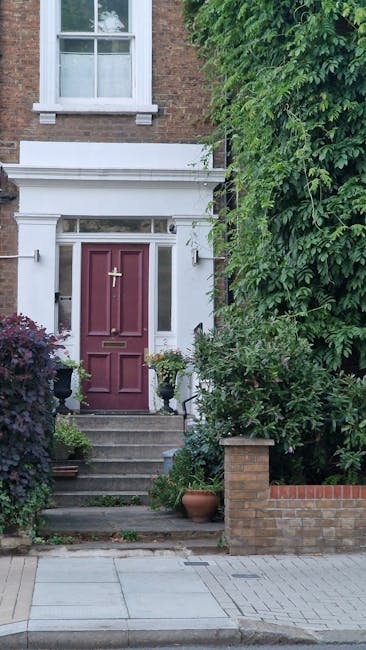
Camberwell Green garden maintenance tips for terraced homes
Terraced homes around Camberwell Green often come with gardens that are compact, shaded, overlooked, or just a bit awkward to manage. That does not mean they are difficult to enjoy. It usually means they need a smarter routine. In practice, the best Camberwell Green garden maintenance tips for terraced homes are the ones that make the most of narrow plots, shared boundaries, small patios, and the realities of London weather. If you have ever looked out at a patchy lawn after a wet week and thought, "Right, where do I even start?", you are in good company.
This guide breaks down what matters, how to keep things under control without overworking yourself, and when it makes sense to bring in professional help. It also covers common mistakes, useful tools, and the kind of practical judgement that saves time later. A tidy terraced garden does not need to be elaborate. It just needs consistent care, a sensible plan, and a little patience.
Table of Contents
- Why Camberwell Green garden maintenance tips for terraced homes Matters
- How Camberwell Green garden maintenance tips for terraced homes Works
- Key Benefits and Practical Advantages
- Who This Is For and When It Makes Sense
- Step-by-Step Guidance
- Expert Tips for Better Results
- Common Mistakes to Avoid
- Tools, Resources and Recommendations
- Law, Compliance, Standards, or Best Practice
- Options, Methods, or Comparison Table
- Case Study or Real-World Example
- Practical Checklist
- Conclusion
- Frequently Asked Questions
Why Camberwell Green garden maintenance tips for terraced homes Matters
Terraced gardens behave differently from larger suburban plots. They tend to be narrower, receive less direct light, and sit close to neighbouring fences, walls, or extensions. That changes everything. Drainage can be slower. Moss and algae can appear on paving more quickly. Plants can outgrow the space faster than you expect. And if the garden backs onto several others, one untidy boundary can make the whole space feel heavier and more cluttered.
For homes near Camberwell Green, maintenance is not only about appearance. It is about making the garden usable. A small paved yard can become a morning coffee spot, a children's play area, or a low-effort green space, but only if the basics are looked after. Leaves need clearing before they turn slippy. Hedges need trimming before they swallow the light. Lawns, where they exist, need regular but gentle attention. Let's face it, in a terraced setting even one neglected corner can start to feel like the whole garden has given up.
There is also the practical side. Overgrown planting can make bins hard to move, encourage damp near walls, and create a cramped feel that spills into the home itself. Good garden maintenance helps avoid that slightly tired, closed-in look that terraced properties can pick up so easily. You notice it more in winter, when everything feels damp and a bit grey, but the fix starts long before then.
Key point: the goal is not a perfect show garden. It is a manageable outdoor space that stays healthy, safe, and pleasant to use all year round.
How Camberwell Green garden maintenance tips for terraced homes Works
The basic idea is simple: maintain the garden in small, regular actions rather than waiting for a big seasonal clear-out. Terraced homes usually benefit from a rhythm that combines light weekly tasks, monthly tidy-ups, and seasonal jobs. That keeps the space from getting away from you, which is the real win.
Start by thinking in layers. The surface layer is what you see first: paving, paths, lawn, edging, pots, and furniture. The second layer is structure: hedges, climbers, trees, trellises, and boundary planting. The third is upkeep behind the scenes: drainage, soil health, pruning schedules, waste removal, and safe storage. Ignore one layer for too long and the others suffer. It is annoyingly efficient in that way.
In a terraced garden, maintenance also has to respect scale. A large, chunky plant that looks fine in a front-drive plot may overwhelm a narrow back garden. Likewise, heavy pruning once a year is rarely as good as lighter, more frequent shaping. This is where professional garden maintenance services can be useful, especially if you want reliable upkeep without turning every weekend into a task list.
Practical maintenance usually covers:
- regular sweeping and leaf removal
- lawn care or groundcover control
- pruning, deadheading, and shaping
- weeding between paving, borders, and walls
- checking drainage and surface runoff
- keeping fences, trellis, and pots in good order
- controlling moss, algae, and clutter
There is nothing glamorous about most of that, of course. But a well-kept terraced garden often looks better because the boring jobs get done consistently.
Key Benefits and Practical Advantages
Good maintenance gives you more than visual appeal. In a terraced setting, it can change how the whole property feels. A compact garden that is neat, well-planted, and easy to move through tends to make the home feel larger and calmer. That sounds like a small thing. It really is not.
1. Better use of limited space
When every square metre matters, maintenance helps you keep pathways clear, reduce overcrowding, and make room for the things you actually want to use. A cramped garden can become very functional with just a few tidy habits.
2. Less long-term repair work
Regular checks catch small issues early. A blocked drain, a leaning trellis, or a hedge pushing into a fence can become expensive if left alone. One five-minute look after heavy rain can save a lot of grief later.
3. Healthier plants
Terraced gardens often have microclimates. Some spots stay damp, some dry out fast, and some sit in shade all day. Ongoing maintenance helps you respond to what the garden is actually doing rather than guessing once a year and hoping for the best.
4. A safer outdoor area
Slippery paving, loose gravel, tangled climbers, and low branches can all create avoidable hazards. This matters if the garden is used by children, visitors, or anyone with mobility concerns.
5. Better neighbourly boundaries
Terraced living is close-quarter living. Keeping hedges, climbers, and self-seeding plants under control avoids awkward overspill and keeps shared boundary lines neat. A small kindness, honestly. But it matters.
Expert summary: the most valuable maintenance habit is not dramatic pruning or expensive redesign. It is consistency. The quiet little jobs done often.
Who This Is For and When It Makes Sense
This approach suits a wide range of homeowners and tenants. If you have a terraced house with a small front garden, a narrow rear yard, or a split-level outdoor space, you are the obvious audience. But it also helps landlords, older residents, busy professionals, and families who want the garden to look cared for without becoming a burden.
It makes sense when:
- the garden feels too small to manage properly, yet becomes messy quickly
- plants are blocking light into the house
- weeds and moss keep returning on paving
- the lawn is patchy or hard to mow neatly
- you want a low-maintenance look rather than a high-effort garden
- you are preparing to sell, rent, or simply enjoy the space more
There is also a point where DIY stops being efficient. If you are spending most weekends clearing, trimming, and collecting green waste, it may be time to compare routine upkeep with a more structured service. For many homeowners, that starts with a clearer look at available services, then moves into choosing only the bits they genuinely need.
Sometimes the decision is seasonal. People cope fine in summer and then the autumn leaf drop arrives like an uninvited guest. That is normal. Terraced homes tend to show mess faster because the space is smaller, so the threshold for "needs attention" comes around sooner than you think.
Step-by-Step Guidance
If you want a straightforward routine, use this as a practical framework. It is designed for compact gardens and yards, not sprawling country plots with endless borders and heroic amounts of time.
Step 1: Clear the space first
Begin with a reset. Remove broken pots, dead stems, fallen leaves, old plant labels, and anything that has quietly become junk. In small gardens, clutter reads as chaos very quickly. If there is a lot to shift, a proper garden clearance can save a day of back-and-forth.
Step 2: Inspect the boundaries
Check fences, trellis, wall planters, and the base of hedges. Look for wobbling posts, escaped climbers, or branches touching masonry. This is especially useful after windy weather or long wet spells. Small boundary issues often start as "I'll sort that later". Later arrives, and now it is a job.
Step 3: Sort the ground level
Sweep paving, rake gravel, and remove weeds from cracks and edges. Where there is a lawn, keep it trimmed regularly rather than cutting it too short in one go. A routine lawn mowing service can help if your grass is uneven, shaded, or awkward to access with a standard mower.
Step 4: Prune with purpose
Trim shrubs and climbers to keep them compact, let in light, and maintain a tidy shape. Do not just chop everything back indiscriminately. That usually leads to bare patches or a second flush of awkward growth. With hedges, a careful shaping approach works far better than one brutal cut a year. The hedge trimming page is a useful starting point if hedge lines are part of the problem.
Step 5: Improve the planting mix
Terraced gardens often do well with a mix of structure and softness. Evergreen plants give year-round shape, while seasonal planting adds interest without needing a full redesign. If the layout feels cramped or unbalanced, small changes in plant placement can make a big difference. That is where thoughtful landscape gardening can be worth considering.
Step 6: Check drainage and surfaces
After rain, notice where water lingers. Does it pool by the back step? Does the side return stay damp? In terraced homes, drainage patterns can be awkward. You do not need a technical survey for a basic inspection, but you do need to keep an eye out for moss, standing water, and slippery patches.
Step 7: Finish with a tidy reset
Rinse tools, stack pots neatly, return furniture to place, and bag up waste. A garden always looks better when the final ten minutes are done properly. It sounds small, but it changes the whole impression.
Expert Tips for Better Results
Here is where the small gains live. Not the flashy stuff, just the details that make maintenance easier over time.
Tip 1: Work with the light, not against it. In many terraced gardens, shade is the main constraint. Choose plants that tolerate partial shade rather than forcing sun-lovers into a dim corner and wondering why they sulk. It happens more often than people admit.
Tip 2: Keep pruning gentle and regular. Frequent light pruning usually gives a better shape than occasional heavy cutting. It also helps you notice pests, dead wood, and weak growth earlier.
Tip 3: Use vertical space. Narrow gardens benefit from trellis, wall planting, and climbers. This keeps the floor area open and gives the garden height without making it feel boxed in. A bit of vertical structure can do wonders.
Tip 4: Stick to a repeatable routine. Choose the same weekly window for tidying, even if it is just twenty minutes. On a damp Tuesday evening or a bright Saturday morning, consistency beats enthusiasm. Every time.
Tip 5: Think in zones. Divide the garden into areas: entry, seating, planting, bins, and storage. Terraced gardens feel calmer when each zone has a job. Otherwise the whole thing becomes one vague patch of stuff.
Tip 6: Keep waste management simple. Green waste builds up fast in small gardens. Use a regular removal plan rather than letting bags pile up beside the shed or fence. If you want a cleaner, more efficient tidy-up cycle, look at recycling and sustainability practices that reduce waste and support responsible disposal.
Tip 7: Don't ignore access. If access is tight through the house or side gate, maintenance needs to be planned around carrying tools, bags, and cuttings safely. That sounds obvious until you are elbow-deep in brambles and trying not to knock over a bin. Real life, eh.
Common Mistakes to Avoid
Most garden trouble in terraced homes comes from a few predictable habits. Avoid these and you are already ahead.
- Cutting too much at once: heavy pruning can shock shrubs and leave ugly gaps.
- Letting weeds get established: once roots settle into paving joints, removal takes much longer.
- Overfilling the space: too many pots or plants make a small garden feel smaller.
- Ignoring drainage: a slightly damp corner can become a persistent problem.
- Using the wrong plants for shade: they survive badly, then look like a maintenance issue when they are really just poorly matched.
- Skipping routine edging: neat edges make a huge difference in compact gardens.
- Forgetting seasonal tasks: autumn leaf clearance and spring reset jobs are not optional if you want the space to stay manageable.
One especially common mistake is trying to force a large-garden routine onto a small terrace. That tends to fail. Terraced homes reward smaller, smarter interventions. Not grand gestures.
Tools, Resources and Recommendations
You do not need an enormous toolkit to maintain a terraced garden well. A focused set of reliable tools is usually enough.
| Tool or Resource | Best For | Why It Helps in a Terraced Garden |
|---|---|---|
| Hand shears | Light pruning and shaping | Precise on narrow beds, pots, and small hedges |
| Compact rake or leaf grabber | Seasonal clearing | Useful for tight corners and narrow paving |
| Stiff brush | Sweeping paths and removing debris | Keeps patios and side returns tidy without over-wetting surfaces |
| Secateurs | Deadheading and stem cuts | Ideal for regular small jobs rather than heavy chopping |
| Wheelbarrow or trug | Moving cuttings and soil | Helpful when access is limited and bags are awkward |
| Garden gloves | General maintenance | Protects hands from thorns, damp debris, and rough stems |
| Pressure washer used carefully | Patios and paving | Can help with algae, but only when surfaces and drainage can handle it |
If you prefer to keep things low-stress, a recurring maintenance plan often works better than buying more and more equipment. For homeowners who want support across several tasks, the broader service overview can help you understand which jobs sit together naturally, such as trimming, mowing, clearance, and light landscaping.
In some gardens, the best "tool" is actually timing. A five-minute sweep after a windy day is more effective than a massive tidy-up when the place has already gotten away from you.
Law, Compliance, Standards, or Best Practice
Garden maintenance in terraced homes is usually straightforward, but there are still a few best-practice points worth keeping in mind. This is especially true where hedges, trees, access routes, shared boundaries, or waste handling are involved.
If trees or large limbs are near a boundary, be cautious. Some work is best left to trained professionals, particularly where height, weight, or awkward access creates risk. If a tree looks unstable, is crowding a structure, or needs more than basic pruning, a qualified tree lopping and removal service may be the safer choice.
There is also a practical duty to avoid causing nuisance to neighbours. That does not mean you need to over-explain every trim, but it does mean being considerate with overhanging growth, leaf fall, and debris. In terraced streets, a bit of courtesy goes a long way. So does not blocking shared access with cuttings for half the afternoon.
For waste, follow normal local expectations for safe handling and responsible disposal. Green waste, soil, and mixed rubbish should be separated where possible. If you are using professional help, it is reasonable to ask how waste is handled and whether the service follows responsible disposal practices. You can also review practical standards through the company's health and safety policy and insurance and safety information, especially when work involves tools, ladders, or difficult access.
One more point: if a maintenance job becomes a bigger redesign, the work may need planning rather than a quick tidy. That is where proper landscaping can help, because a better layout often solves recurring maintenance problems before they get expensive.
Options, Methods, or Comparison Table
There is more than one way to care for a terraced garden. The right choice depends on time, budget, confidence, and how much control you want. Here is a simple comparison.
| Approach | Best For | Strengths | Limitations |
|---|---|---|---|
| DIY weekly upkeep | Confident homeowners with time | Low cost, flexible, quick response to issues | Easy to fall behind; can become irregular |
| Seasonal deep tidy | Busy households that need occasional resets | Good for catching up and reclaiming space | Problems often return between visits |
| Regular professional maintenance | People who want consistent results | Reliable, efficient, often better for awkward spaces | Costs more than DIY, though usually saves time |
| Combined approach | Most terraced homes | Balances control, cost, and consistency | Needs a clear plan to avoid duplication |
If your garden has a lawn, hedging, and tight access, a combined approach usually wins. You can handle a few lighter jobs yourself and bring in help for the rest. That way you do not pay for everything, but you also do not end up staring at a half-finished job three weeks later.
For many Camberwell Green properties, routine maintenance plus occasional specialist work is the sweet spot. Especially if the garden is small but busy, which is a pretty common London story.
Case Study or Real-World Example
A typical terraced garden near Camberwell Green might measure somewhere between a narrow rear yard and a modest family garden. Nothing enormous. At first glance it seems simple. Then you notice the uneven paving, the hedge that has drifted into the fence line, a patch of lawn struggling in shade, and a small storage area that has become a catch-all for broken pots.
In one common scenario, the homeowner wants the garden to feel calmer without removing all the planting. The solution is not a full redesign. It starts with a clearance of loose clutter, a careful hedge trim to open up light, some edging around the lawn, and a reset of the planting structure. A few shade-tolerant plants replace tired ones, while the paving is swept and treated as part of the weekly routine. The whole space feels more open almost immediately.
What usually surprises people is how much difference the "boring" work makes. The first tidy often creates the biggest visible change, but the ongoing improvements come from keeping it manageable. A neighbour may not say much, but they will notice. And if you sit outside with a cup of tea on a cool evening, the garden just feels easier to be in. That matters more than a dramatic before-and-after photo, to be fair.
Practical Checklist
Use this checklist as a simple maintenance reset for terraced homes in the Camberwell Green area.
- Clear fallen leaves, twigs, and loose debris from paths and corners
- Check paving for moss, algae, or slippery patches
- Trim hedges and climbers before they block light or access
- Deadhead flowers and remove tired plant growth
- Cut the lawn lightly and regularly if you have one
- Inspect fences, trellis, and boundary edges for damage
- Remove weeds from paving joints and border edges
- Look for pooled water or slow drainage after rain
- Group pots and furniture so the layout feels intentional
- Bag up green waste and dispose of it promptly
- Review whether any jobs need specialist help
- Schedule the next tidy before the garden starts sliding again
Quick reminder: if you can keep the reset list short enough to finish in one session, you are more likely to repeat it. That is the real trick.
Conclusion
Terraced gardens around Camberwell Green do not need to be big to be beautiful, useful, or easy to live with. They just need maintenance that respects the scale of the space. Keep the routine steady, trim before things become unmanageable, clear clutter early, and choose plants and layouts that suit narrow urban gardens rather than fighting them.
When you work with the shape of a terraced home, the garden starts to feel like part of the house instead of an afterthought. That is the goal. A small outdoor space can be one of the most relaxing parts of the property when it is looked after properly. Quiet, tidy, and ready when you are.
Get a free quote today and see how much you can save.
If you want help keeping your garden in shape through the seasons, it is worth exploring garden maintenance support that fits the size and rhythm of your home. A little consistency now can spare you a lot of catching up later, and that is usually a very good trade.
Frequently Asked Questions
How often should a terraced garden in Camberwell Green be maintained?
Light maintenance is usually best on a weekly or fortnightly basis, with seasonal tidying layered in around spring and autumn. Small gardens show mess quickly, so little and often tends to work better than large occasional jobs.
What are the best plants for a small terraced garden with shade?
Shade-tolerant, compact plants usually do best. Think in terms of structure, leaf texture, and low-maintenance growth rather than trying to force sun-loving varieties into a darker corner. Local conditions matter a lot, so observe how the space behaves over a few weeks.
Can I keep a lawn in a narrow terraced garden?
Yes, but it needs realistic expectations. Small lawns can work well if they are trimmed regularly and not overused. If the area is heavily shaded or awkwardly shaped, groundcover, paving, or mixed planting may be easier to maintain.
What is the biggest maintenance challenge in terraced homes?
Usually it is the combination of limited space, shade, and clutter building up fast. Narrow access and close boundaries can make jobs feel bigger than they are, which is why a simple routine helps so much.
How do I stop moss and algae on paving?
Keep the surface swept, remove leaf build-up quickly, and reduce standing water where possible. Moss and algae are often a sign of damp and shade, so improving airflow and cleaning regularly usually helps more than occasional heavy cleaning.
Is professional garden maintenance worth it for a small property?
Often yes, especially if you value consistency, have limited time, or need help with awkward tasks like hedge trimming, clearance, or access-limited mowing. Many people use a mix of DIY and professional support to keep costs sensible.
What should I do before a garden clearance visit?
It helps to remove personal items, separate anything you want to keep, and point out areas of concern such as unstable fencing, hidden access issues, or overgrown sections. That makes the job smoother and usually quicker.
How do I make a terraced garden look bigger?
Keep the layout uncluttered, use vertical planting, choose lighter materials where suitable, and maintain clear sight lines. Even a small amount of open space can make the garden feel much more generous.
Do I need to worry about overhanging branches or hedges?
Yes, especially in close terraces where boundaries matter. Overgrowth can reduce light, affect neighbouring gardens, and create a cramped feel. If the job is beyond simple trimming, specialist help is the safer route.
What maintenance jobs are best left to professionals?
Anything involving height, unstable growth, difficult access, heavy clearance, or larger structural changes is often better handled by professionals. That includes more demanding tree work, major hedge reduction, and jobs where safety is uncertain.
How can I keep garden maintenance manageable all year?
Set a repeatable schedule, keep tools easy to reach, and do not let small tasks stack up. A ten-minute sweep and check is much easier to sustain than a four-hour rescue mission. Truth be told, that is where most garden success comes from.
Where should I start if my terraced garden has been neglected?
Start with clearance, then boundaries, then surfaces, then planting. That order makes the space feel better quickly and gives you a proper base for ongoing maintenance. Once the worst clutter is gone, the rest becomes much easier to judge.