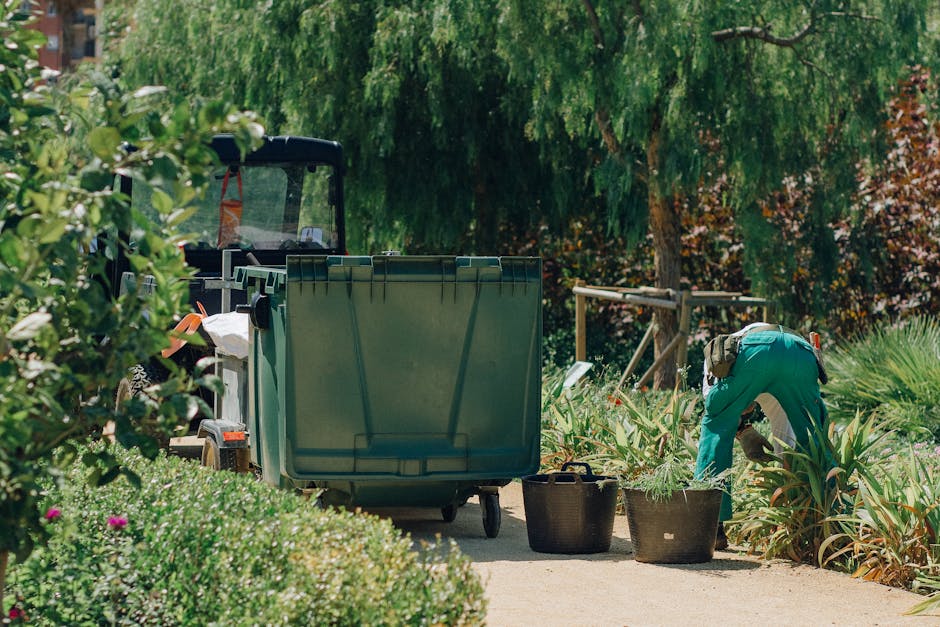
What to know about same day gardeners in SE5 emergency clear ups
When a garden suddenly becomes a mess, you do not always have the luxury of waiting until next week. A fallen branch after a windy night, overgrown waste blocking access, or a sharp turnaround after a tenant move-out can quickly become a same-day problem. That is where same day gardeners in SE5 emergency clear ups come in: fast, practical help for urgent outdoor jobs that need sorting now, not later.
If you are dealing with a garden that looks unsafe, untidy, or simply unmanageable by the end of the day, this guide walks you through what the service usually includes, what to ask before booking, and how to make sure the work is handled properly. Truth be told, the difference between a smooth clear-up and a stressful one often comes down to preparation.
In SE5, where gardens can be compact, shared, paved, or tucked behind narrow access points, emergency clear ups need a bit more judgement than a normal tidy. The aim is not just to make things look better. It is to restore safe access, reduce risk, and get the space back under control without creating another problem in the process.
Table of Contents
- Why What to know about same day gardeners in SE5 emergency clear ups Matters
- How What to know about same day gardeners in SE5 emergency clear ups Works
- Key Benefits and Practical Advantages
- Who This Is For and When It Makes Sense
- Step-by-Step Guidance
- Expert Tips for Better Results
- Common Mistakes to Avoid
- Tools, Resources and Recommendations
- Law, Compliance, Standards, or Best Practice
- Options, Methods, or Comparison Table
- Case Study or Real-World Example
- Practical Checklist
- Conclusion
- Frequently Asked Questions
Why What to know about same day gardeners in SE5 emergency clear ups Matters
Emergency garden work is rarely about perfection. It is about speed, safety, and sensible decisions under pressure. A broken fence panel, a heap of windblown branches, or a garden overrun with waste can make a property hard to use and, in some cases, difficult to secure. That matters whether you are a homeowner, landlord, letting agent, business owner, or simply someone trying to get life back to normal after a rough weekend.
In SE5, gardens often sit close to neighbours, shared boundaries, or tight side passages. That means a small issue can feel bigger than it looks. A bag of cuttings left in the wrong place can block bins. Wet branches can make a path slippery. Dense growth can hide trip hazards. These are not dramatic problems until they suddenly are. Then they are the sort of thing you notice with a grimace and a phone in your hand.
This is why same day gardeners matter: they are the practical middle ground between "I can deal with it eventually" and "this needs sorting before the end of today." When chosen well, they help stabilise the situation, clear the mess, and leave you with a space that is safer and easier to manage.
For broader or non-urgent outdoor work, it can also help to look at regular garden maintenance so the next emergency is less likely to happen in the first place. A little routine care goes a long way, to be fair.
How What to know about same day gardeners in SE5 emergency clear ups Works
Same day gardening is usually a rapid-response service built around assessment, prioritisation, and efficient labour. The gardener or team will often ask for a description of the problem, a few photos, and an idea of access. That helps them decide whether the job is feasible on the day, what tools they need, and how many people should attend.
Most emergency clear ups follow a simple pattern:
- Initial contact and triage. You explain what has happened, what the space looks like, and whether anything is dangerous or time-sensitive.
- Scope check. The gardener works out whether the task is a light tidy, a waste removal job, a heavy clearance, or a mix of several things.
- Arrival and safety review. On arrival, they check access, look for hazards, and decide the safest order for the work.
- Clear-up and removal. The team cuts back, collects, bags, loads, and tidies as agreed.
- Final walkthrough. You check the result, confirm what has been done, and make sure leftover waste has been handled appropriately.
That sounds straightforward, and often it is. But emergency work can get messy fast. If a tree limb is resting awkwardly, for example, the gardener may need to work around the shape of the damage rather than just hacking through it. If a garden contains bulky waste, wet soil, or thorny growth, the process slows down a bit. A good team will tell you that honestly instead of pretending it is a five-minute job.
When the issue involves branches, unstable growth, or a tree that has partially failed, specialist help may be needed. In that case, a service such as tree lopping and removal can be the more suitable route than a standard tidy-up.
Key Benefits and Practical Advantages
The obvious benefit is speed. If you need action today, same day gardening gives you a realistic route to getting the garden back under control before the problem spreads. But the value goes a bit deeper than that.
- Safer access: Paths, side returns, patios, and entrances can be cleared quickly so people can move around without stepping over debris.
- Reduced stress: There is something calming about seeing a chaotic space become workable again, even if it is not yet perfect.
- Better first impressions: This matters for move-outs, viewings, arrivals, and landlord inspections.
- Less risk of further damage: Storm debris, broken branches, and trapped moisture can worsen if left.
- More manageable follow-up: Once the emergency is handled, a longer-term plan becomes much easier to organise.
There is also a practical budgeting benefit. A well-handled same day clear up can stop a small issue from becoming a much bigger one. For example, if a blocked drain edge or packed debris is cleared before a heavy rain returns, you may avoid secondary mess and a more expensive clean-up later. Not always. But often enough to matter.
If the problem is mainly overgrowth rather than debris, cutting back and shaping may be enough. If it is a full reset, then garden clearance is usually the better fit because it is designed for larger volumes and a more thorough reset.
Who This Is For and When It Makes Sense
Emergency garden clear ups are not only for dramatic storm damage. In real life, they are often booked for fairly ordinary but urgent situations. A lot of the time, the garden is simply too far gone for a normal tidy and needs immediate intervention.
You may need same day help if you are:
- a homeowner dealing with fallen branches, windblown waste, or an unexpected garden mess
- a landlord preparing a property for new tenants at short notice
- a letting agent trying to make an outdoor space presentable before a viewing
- a business owner with exterior areas that need to stay tidy and usable
- an older resident or busy household that cannot safely handle the job in one go
- someone who has inherited a neglected garden and needs it cleared quickly before deciding the next step
It also makes sense when the work is urgent but not necessarily complex. For instance, a neighbour might be upset because cuttings are spilling across a boundary, or a gate may not open because ivy and waste have piled up around it. Annoying? Yes. But fixable, usually.
If the issue is mostly cosmetic, a quick same day visit may be enough. If it involves repeated maintenance, then a service like lawn mowing or hedge trimming might be added to the plan so the garden looks tidy as well as cleared.
Step-by-Step Guidance
If you want the fastest possible outcome, a little preparation helps more than people expect. Here is a sensible way to approach it.
1. Identify the real problem
Start by deciding whether the issue is waste, overgrowth, damage, blocked access, or a combination. A few photos help here. If you are unsure, describe what you see rather than trying to sound technical. "There are broken branches across the path and the back gate is jammed shut" is better than guessing terms.
2. Decide how urgent it really is
Ask yourself one blunt question: does this need to be handled today, or would tomorrow be fine? If there is a safety concern, access problem, or risk of further damage, same day is sensible. If not, you may get better value by booking in a planned visit.
3. Share access details upfront
In SE5, access can be the make-or-break detail. Narrow side passages, basement steps, locked gates, shared entrances, and limited parking all affect how quickly a team can work. If you mention these details early, the gardener can arrive prepared. That saves time and, frankly, avoids the awkward "we should have mentioned this before" moment.
4. Ask what is included
Not every emergency clear up includes the same level of service. Some teams will cut, collect, bag, and stack only. Others will remove waste, sweep surfaces, and do a full tidy. Ask what happens to green waste, whether heavier items are included, and whether there are any limits on volume.
5. Confirm the likely finish point
For emergency work, "finished" usually means safe, accessible, and tidy enough to use. It does not always mean landscaped perfection. That distinction matters. A clear-up may be designed to stabilise the space today, while follow-up work handles the rest later.
6. Check aftercare and next steps
Once the immediate job is done, think about what will stop the problem returning. That may mean a maintenance schedule, seasonal pruning, or a one-off redesign. For broader site planning, landscaping or landscape gardening can help turn a temporary fix into something more durable.
Expert Tips for Better Results
After enough urgent garden jobs, a few patterns become obvious. The jobs that go smoothly tend to have the same habits behind them.
- Send photos before the team arrives. Even rough pictures from a phone are helpful. Light, angle, and scale all matter.
- Be clear about what matters most. If you need the front path open before the rest of the garden, say so first.
- Keep pets and children away from the work area. Tools, movement, and debris make a busy space less predictable.
- Ask about disposal before booking. Waste handling is one of those details people forget until the van is full.
- Expect prioritisation, not perfection. Same day work is often about stabilising the worst part first.
- Think in layers. Clear access now, tidy surfaces next, then maintenance after that. It is a much better way to avoid wasteful repeat work.
A small but useful tip: if you have bin day coming up, let the gardener know. It sounds trivial, but it can change how the waste is bagged and staged. These little things add up.
And if you are planning ongoing care after the emergency is sorted, it may be worth looking at services overview so you can see how one-off work and regular upkeep fit together.
Common Mistakes to Avoid
Emergency bookings can go wrong in predictable ways. Nothing dramatic, just frustrating and avoidable.
- Waiting until the problem becomes severe. The longer you leave it, the harder it is to clear safely.
- Describing the job too vaguely. "It's a bit of a mess" is understandable, but not very useful.
- Ignoring access issues. A narrow gate or awkward staircase can slow the entire visit.
- Assuming all waste will be taken away automatically. Always ask.
- Booking the wrong type of service. Light tidying, clearance, pruning, and tree work are not identical jobs.
- Expecting a same day slot to behave like a planned makeover. It usually will not.
One classic mistake is trying to do a fast clear-up yourself before the gardener arrives, then leaving the important hazards untouched. That can be fine for a few light items, but if there is a broken branch, slippery ground, or unstable debris, leave it alone and let the team handle it properly.
Also, do not forget the neighbour factor. In close London gardens, debris can drift, noise can carry, and access may cross shared edges. A courteous heads-up can save hassle.
Tools, Resources and Recommendations
You do not need specialist knowledge to prepare for same day help, but a few simple tools and habits can make the process much easier.
Useful things to have ready
- your phone camera for photos and messages
- a quick note on access instructions
- details of any locked gates or shared entrances
- an estimate of how much waste is visible
- pet and child safety arrangements
- any concerns about broken glass, sharp objects, or unstable branches
What a good team should bring
- appropriate cutting and clearing tools
- gloves and protective gear
- bags, loading equipment, or containers for waste
- basic sweeping or finishing tools
- a sensible plan for heavier or awkward material
In our experience, the best results happen when the team is not just fast but properly equipped. A garden clear up done with the wrong tools can leave torn bags, missed debris, and a second round of cleanup. Nobody wants that. It is a bit like trying to mop a hallway with a hand towel.
If you are comparing providers, useful related pages such as pricing and quotes, insurance and safety, and health and safety policy can help you judge how seriously a company treats the work, not just how quickly they can say "yes."
Law, Compliance, Standards, or Best Practice
Emergency garden work in the UK is not usually about complicated paperwork, but there are still sensible standards to keep in mind. Good practice matters because garden jobs can involve manual handling, sharp tools, working at height in limited situations, and disposal of green waste or mixed rubbish.
For homeowners and tenants, the main thing is usually straightforward: make sure the work is safe, agreed clearly, and handled responsibly. For landlords or managing agents, there can be added responsibilities around access, tenant communication, and maintaining safe outdoor areas. That is especially relevant where a neglected garden could create slip, trip, or access issues.
From a best-practice point of view, look for a provider that:
- communicates clearly before arrival
- works safely around obstacles and unstable material
- understands how to separate different types of waste where appropriate
- explains what is and is not included
- has a sensible complaints process if something goes wrong
It is also fair to ask about sustainability and disposal. Responsible green waste handling is a good sign, particularly in a city setting where transport and loading need to be done efficiently. If that matters to you, recycling and sustainability is a useful page to review before booking.
One more point: if a job involves major tree damage or structural risk, do not treat it like ordinary garden clearing. Safety comes first. Every time. A rush job should still be a safe job.
Options, Methods, or Comparison Table
Not every urgent garden situation needs the same solution. The right choice depends on the scale of the problem, the safety risk, and how soon you need the space usable again.
| Option | Best for | What it usually includes | Limitations |
|---|---|---|---|
| Light same day tidy | Scattered leaves, small debris, minor overgrowth | Basic cutting back, sweeping, bagging, surface tidy | Not ideal for heavy waste or major clearance |
| Emergency clearance | Blocked access, storm debris, neglected spaces, bulky garden waste | More intensive clearing, loading, removal, safer access restoration | May require more time, more labour, and disposal planning |
| Targeted pruning or trimming | Hedges, boundaries, and overhang issues | Cut-back, shaping, and removal of cuttings | Does not solve larger waste problems on its own |
| Tree-related intervention | Broken limbs, unstable growth, awkward overhanging branches | Specialist cutting and removal of affected material | May need a more cautious assessment first |
| Planned maintenance visit | Recurring tidy-up needs and prevention | Routine mowing, trimming, and upkeep | Usually not immediate |
A quick rule of thumb: if the garden is messy but still manageable, maintenance may be enough. If it has become inaccessible, unsafe, or overrun after a sudden event, same day clearance is the better fit. Simple enough, really.
Case Study or Real-World Example
Picture a typical SE5 afternoon after a blustery night. A front garden has a broken branch across the path, damp leaves have built up by the gate, and a pile of cuttings from a previous DIY attempt is now mixed in with the mess. Nothing catastrophic. But the path is awkward, the space looks untidy, and the homeowner needs it sorted before visitors arrive the next day.
In a case like that, the first step is not to start randomly cutting things back. It is to identify the access route, remove the main obstruction safely, then clear the smaller debris in stages. A practical team would likely prioritise the path, then the front edge, then any remaining waste. If the hedge has become part of the issue, a quick round of hedge trimming may help restore shape once the space is usable again.
The important bit is this: the goal was not to create a show garden by tea time. It was to make the area safe, tidy, and presentable without making the homeowner organise three different visits. That is the real value of same day help. It removes the pressure.
And sometimes that emotional relief is half the job. You open the back door, see the space has been brought back into order, and suddenly the day feels less heavy. Small thing, but it matters.
Practical Checklist
Use this checklist before booking same day garden help in SE5.
- Identify the main issue: waste, overgrowth, damage, or blocked access
- Take clear photos from a few angles
- Note any safety hazards such as sharp debris or unstable branches
- Check access details, including gates, stairs, and parking
- Say whether waste removal is required
- Confirm whether the job is urgent or just time-sensitive
- Ask what the same day visit will and will not include
- Keep children and pets away from the work zone
- Plan for follow-up maintenance if needed
- Review safety, payment, and service information before confirming
If the job is bigger than expected, do not panic. A good gardener will usually explain what can be done immediately and what should wait. That's normal.
Conclusion
What to know about same day gardeners in SE5 emergency clear ups really comes down to this: urgent garden work should be fast, clear, and safe. You want a team that can respond quickly, make sensible choices on site, and leave you with a space that is usable again rather than half-sorted and frustrating.
The best results usually come from clear communication, realistic expectations, and choosing the right type of help for the job. A small tidy, a full clearance, hedge cutting, tree work, or ongoing maintenance all solve different problems. The trick is matching the response to the situation instead of forcing one solution onto everything.
If you are facing a garden emergency now, start with photos, access details, and a simple explanation of the issue. Then book the help that fits the scale of the job, not just the speed of the promise. That approach saves time, money, and a fair bit of hassle.
Get a free quote today and see how much you can save.
When a garden has been turned upside down, getting it back into shape can feel like one less thing to carry. And sometimes, honestly, that is a very good place to start.
Frequently Asked Questions
What counts as a same day garden emergency in SE5?
Anything that affects safety, access, or urgent presentation can count. Fallen branches, blocked paths, storm debris, or a sudden clear-up after a move-out are common examples. If it needs sorting before the day ends, same day help makes sense.
Can same day gardeners remove garden waste too?
Often yes, but you should confirm this before booking. Some teams include bagging and removal, while others focus on clearing and tidying only. Waste volume and access can affect what is possible on the day.
How fast can a gardener usually arrive?
That depends on workload, location, and the size of the job. Same day means the work is arranged for the day you call, but exact timing can still vary. The more details you provide up front, the easier it is to estimate arrival.
What should I send when I ask for a same day quote?
Photos, access notes, a short description of the issue, and whether waste needs removing are usually enough to start. If there are hazards or tight access points, mention them. That saves everyone time.
Is same day garden clearance more expensive than normal maintenance?
It can be, because urgent work often needs faster scheduling and more focused labour. The cost depends on what is involved, how much waste there is, and whether specialist handling is needed. It is best to ask for a clear breakdown.
Will the garden be fully finished on the same day?
Sometimes yes, sometimes no. Emergency clear ups often prioritise safety, access, and the worst of the mess first. If the garden needs a fuller redesign or longer-term work, a follow-up visit may be the smarter option.
What if the problem involves a tree or broken branch?
Then the job may need more cautious handling. If the issue is beyond ordinary clearing, a service like tree-related removal work may be more suitable. Safety comes first, especially with unstable branches.
Do I need to be at home during the visit?
Not always, but it helps if access is complicated or if you want to give instructions in person. Many people stay nearby for the start of the job, then return for the final check. That tends to work well.
How do I know if I need clearance or just tidying?
If the garden is cluttered but still manageable, tidying may be enough. If the space is overrun, blocked, or full of bulky waste, clearance is usually the better match. When in doubt, describe the amount and type of material rather than guessing the service.
Are same day gardeners suitable for landlords or letting agents?
Yes, very much so. They are often used for end-of-tenancy clear-ups, pre-viewing presentation, and urgent access issues. The key is to be clear about deadlines and what standard the space needs to reach.
What should I check before confirming the booking?
Check what is included, whether waste removal is covered, how access will work, and whether the team can handle the scale of the job. If safety or insurance information matters to you, it is sensible to review that too. A few minutes of checking can prevent a lot of hassle later.
What is the best way to keep this from happening again?
Regular maintenance is the simplest answer. Small, consistent visits usually prevent the kind of build-up that turns into a same day emergency. A little attention now and then really does spare you the rush later.