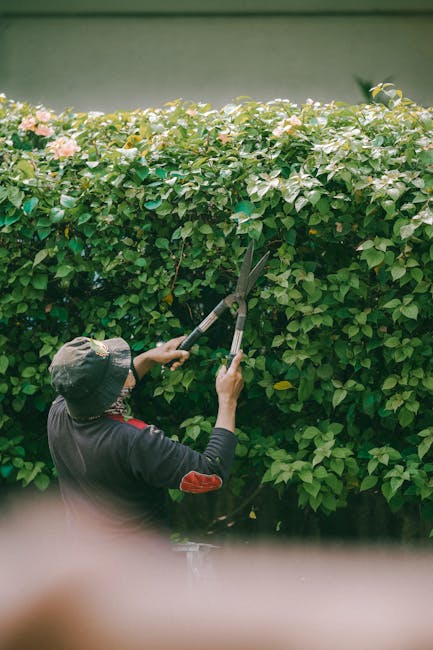
Finding gardeners for flats on Camberwell Road and Grove Lane

If you live in a flat near Camberwell Road or Grove Lane, finding the right gardener can feel a bit more complicated than it should. There is often limited access, shared outdoor space, neighbours to consider, and the usual London challenge of not quite having enough room for tools, waste bags, or a full-size mower. Still, the right help makes a real difference. Finding gardeners for flats on Camberwell Road and Grove Lane is not just about keeping things tidy; it is about making small outdoor spaces usable, pleasant, and easy to manage without adding hassle to your week.
Whether you need regular maintenance, a one-off clear-up, hedge trimming, or something more involved like ongoing garden maintenance, this guide walks through what to look for, how the process usually works, and which mistakes people commonly make. To be fair, the best choice is not always the cheapest one. It is the one that fits your building, your access, and your expectations.
Below, you will find a practical breakdown designed for flat owners, tenants, landlords, and managing agents. It is written to help you make a sensible decision, not just a quick one.
Why Finding gardeners for flats on Camberwell Road and Grove Lane Matters
Flat gardens and communal outdoor areas are easy to overlook until they start to get scruffy. A few weeks of rain, some wind-blown leaves, and a bit of fast spring growth can quickly turn a neat entrance into somewhere that looks neglected. On streets like Camberwell Road and Grove Lane, where properties often sit close together, the outside space is part of the first impression. That matters for residents, visitors, and anyone viewing or renting the flat.
There is also a practical side. Overgrown planting can block paths, obscure windows, attract litter, and make access awkward for everyone. In a shared setting, one person's missed trim becomes everyone's problem. That is why flat-based gardening tends to work best when it is reliable, simple, and scheduled rather than occasional and reactive.
You may only have a small courtyard, a narrow strip at the back, a front planter, or a communal passage with a few containers. That does not mean the work is minor. Smaller spaces often need more attention than larger gardens, just in shorter bursts. A good gardener understands that and plans accordingly.
Expert summary: For flats, the right gardener is usually the one who can handle access, neighbour considerations, waste removal, and recurring maintenance without turning a simple job into a logistics puzzle.
If you are also dealing with mess after renovation, move-out work, or a neglected shared area, it may help to look at garden clearance alongside routine care. Sometimes the right answer is a combination of both.
How Finding gardeners for flats on Camberwell Road and Grove Lane Works
The process is usually more straightforward than people expect, but there are a few moving parts. First, you identify what kind of outdoor space you actually have. Is it private, shared, or managed by a block? Is there rear access, side access, a communal gate, or only stairs and a narrow hallway? These details matter because they affect what the gardener can bring in, how they move waste out, and how long the work will take.
Next comes the scope. For flats, gardening work often falls into one of three categories:
- Routine maintenance such as mowing, tidying borders, watering, and light pruning.
- Seasonal work like leaf clearance, cut-backs, hedge shaping, and planting refreshes.
- One-off recovery jobs where a garden or terrace has become overgrown, cluttered, or difficult to use.
Then you compare providers. Good garden services for flats should be able to explain how they work around access restrictions, where they dispose of green waste, whether they can work quietly in shared areas, and how they manage insurance and safety. If you are exploring a broader range of options, the services overview is a useful place to understand what can typically be arranged in one visit versus what may need a separate visit.
Finally, you agree on timing. Flats often work best with morning or early afternoon visits, especially where noise, shared entrances, or neighbours are part of the picture. Nothing complicated, just a bit of common sense. A well-run visit should feel calm, tidy, and almost invisible from the building's point of view.
Key Benefits and Practical Advantages
The obvious benefit is a tidier outdoor area, but there is a lot more to it than appearance. A good gardener can reduce stress, improve safety, and keep small spaces usable all year round. In a flat setting, those gains are often bigger than they first appear.
- Better curb appeal: Clean, well-kept planting makes the building feel looked after.
- Safer access: Regular cutting back keeps paths, gates, and entrances easier to use.
- Less neighbour friction: Routine care is easier than occasional emergency clear-ups.
- More usable space: A modest terrace or shared yard becomes somewhere people actually want to sit.
- Less waste build-up: Leaves, cuttings, and debris are removed before they pile up.
There is also a maintenance benefit that people underestimate. When planting is checked regularly, small issues are spotted early: a plant failing, soil drying out too quickly, a boundary hedge getting too high, or a lawn patch turning thin. That early intervention is often cheaper and less disruptive than waiting until the whole area needs major work.
For flats with simple lawns or communal patches, lawn mowing can be one of the most efficient services to keep things looking neat. If your space includes taller growth or a boundary line, hedge trimming may be the service that brings everything back into shape fastest.
Who This Is For and When It Makes Sense
This kind of service is not only for homeowners with large gardens. In fact, flats often need more tailored gardening help because the space is tighter, access is fussier, and the need for consistency is higher. If any of the situations below sound familiar, it probably makes sense to bring in a gardener.
- Flat owners who want their private terrace, patio, or small garden maintained properly.
- Tenants who are responsible for a small outdoor area and want to avoid a last-minute scramble before moving out.
- Landlords who need external areas kept presentable between tenancies.
- Managing agents overseeing communal outdoor spaces around a block.
- Residents' associations looking for a simple, repeatable care schedule.
It makes sense when the space starts taking more time than you can spare, or when the job needs a steady hand rather than occasional DIY. Truth be told, lots of people try to keep on top of it themselves for a while, then realise they are spending Saturday morning wrestling with a hedge trimmer and a black sack that will not quite fit through the gate. Not ideal.
If your priority is a larger refresh rather than maintenance, landscaping or landscape gardening may be the better route, especially where the layout needs improving as much as the plants do.
Step-by-Step Guidance
If you want to find the right gardener without wasting time, a structured approach helps. Here is a sensible way to do it.
- Define the space. Measure the area roughly, note access points, and list any awkward features such as steps, narrow gates, shared entrances, or internal courtyards.
- Decide what actually needs doing. Be specific. Is it mowing, weeding, hedge cutting, pruning, waste removal, planting, or a mix of everything?
- Separate urgent work from ongoing work. A one-off tidy-up is different from recurring maintenance. The best plan may combine both.
- Ask about equipment and access. Some jobs need compact tools, manual transport of waste, or careful scheduling around residents.
- Check insurance and safety practices. This matters in shared spaces where damage or accidents affect more than one person.
- Request a clear quote. A good quote should explain what is included, what is not, and whether disposal is covered.
- Set a routine if the space needs it. Monthly, fortnightly, or seasonal visits are usually easier than ad hoc calls.
One small but important point: ask how the gardener handles waste. In flat settings, green waste can be the thing that makes a job feel messy even after the cutting is done. A tidy exit matters almost as much as the tidy finish. And yes, the hallway should still smell like fresh cut leaves rather than a compost bin on a warm day.
If the area has become cluttered with old pots, broken planters, or dead growth, you may need a clear-out first, then a maintenance plan after that. That sequencing is often the difference between a quick fix and a job that keeps slipping.
Expert Tips for Better Results
A few practical habits make a real difference when booking gardeners for flats.
- Be exact about access. Tell the gardener if they need to go through a communal hallway, a side passage, or a locked gate.
- Send photos before the visit. It saves time and helps avoid over- or under-estimating the work.
- Ask for a visit plan. Good providers will usually have a simple idea of what will happen first, second, and last.
- Think seasonally. Spring growth, summer watering, autumn leaf fall, and winter cut-backs all need different attention.
- Keep expectations realistic. Small urban outdoor spaces are often more about restraint and neatness than dramatic transformation.
In our experience, the best results come when residents or landlords give a little context, not just a list of tasks. For example: "the rear terrace gets mossy after rain," or "the hedge blocks light into the kitchen by late summer." That kind of detail helps the gardener work with the space rather than just at it.
Also, do not ignore recurring maintenance just because the area is tiny. Tiny spaces can become messy very quickly. That is the annoying part, really.
Common Mistakes to Avoid
There are a few predictable errors people make when choosing gardeners for flats. Avoiding them will save time, money, and a fair bit of irritation.
- Choosing only on price. The lowest quote may not include waste removal, access handling, or enough time for a proper finish.
- Vague job descriptions. "Sort the garden out" is not enough. Be specific.
- Ignoring shared space concerns. Noise, access, and neighbour disruption matter in flats.
- Not checking insurance. Shared property work needs care, especially near entrances, windows, and communal paths.
- Booking one-off visits for ongoing issues. If the garden grows fast, a single visit may not be enough.
- Skipping waste planning. Cuttings, bags, and debris have to go somewhere.
A common one is expecting a maintenance visit to fix years of neglect in one go. Sometimes that happens, but not usually without a clear-up phase. If a space has been ignored for a while, the practical route is often clearance first, then a neat ongoing schedule. That approach is simpler, cleaner, and less frustrating for everyone.
Another mistake: forgetting to ask what level of finish you can expect. A tidy, safe, and usable space is one thing. A show garden is another. For a flat, a realistic brief usually wins.
Tools, Resources and Recommendations
You do not need a shed full of gear to manage a flat garden well, but a few tools and planning aids help. If you are overseeing the space yourself between visits, keep the essentials practical.
- Basic hand tools: secateurs, gloves, a small trowel, and a hand fork.
- Lightweight sweeping tools: especially useful for patios, entrances, and paved areas.
- Simple watering kit: a can or hose access if the space allows it.
- Plant labels or notes: useful if several people are responsible for the space.
- Photo record: helpful for shared buildings, so everyone knows what changed and when.
If you are comparing service options, it can help to look at specialist pages such as lawn mowing, hedge trimming, and garden maintenance rather than treating everything as one generic booking. That usually leads to a clearer quote and a better result.
For more complex outdoor redesigns, the landscape gardening and landscaping pages are the best fit for understanding how structure, planting, and usability can be improved together. If waste and overgrowth are the main issue, garden clearance is often the place to start.
Law, Compliance, Standards, or Best Practice
Flat gardening often involves shared access, communal areas, and occasional work near paths, entrances, or building edges. That means sensible risk management matters, even for a small job. The exact legal duties depend on who owns or manages the property and what work is being carried out, so it is best to keep things practical and cautious rather than assume one fixed rule applies everywhere.
Good practice usually includes:
- clear communication about access and timing,
- safe handling of tools and green waste,
- care around windows, walls, railings, and shared surfaces,
- appropriate insurance for the work being done,
- respect for neighbours and communal use of the space.
If you are arranging work in a block or shared building, it is sensible to ask about the provider's approach to insurance and safety. You can also review broader site policies such as health and safety and terms and conditions if you want a better sense of how jobs are handled.
For residents who care about disposal, re-use, and lower waste, recycling and sustainability is a useful principle to keep in mind. In plain English: do not let the tidy-up create a bigger mess elsewhere.
Options, Methods, or Comparison Table
When choosing support for a flat garden, most people end up comparing a few approaches. Each has its place, depending on space, budget, and how much effort you want to carry yourself.
| Option | Best for | Pros | Watch out for |
|---|---|---|---|
| One-off tidy-up | Overgrown or neglected flat gardens | Fast reset, good for visible improvement | May not solve recurring growth or upkeep needs |
| Regular maintenance | Small terraces, courtyards, and shared areas | Consistent appearance, easier budgeting | Needs clear scheduling and access arrangements |
| Clearance then maintenance | Spaces with clutter, weeds, or heavy growth | Best for a full reset followed by control | Usually costs more upfront |
| Landscape-led improvement | Spaces that need layout or surface changes | Can improve use, storage, and appearance | Requires more planning than basic gardening |
For many flats, the sweet spot is a clearance or shaping visit followed by light, regular upkeep. That way the space does not drift back into chaos after a month or two. Nice and steady. Boring, maybe, but effective.
Case Study or Real-World Example
Imagine a small block near Grove Lane with a shared rear courtyard. The space has a few shrubs, patchy paving, some weeds, and one hedge that has grown wide enough to block light from a ground-floor flat. Nobody has the time to tackle it properly, and every resident assumes someone else will bring up the issue. Classic setup, really.
The first step is a proper assessment: what needs cutting back, what needs clearing, and what should be left alone. A sensible gardener would likely break the work into two parts. First, a tidy-up: remove dead material, cut back the hedge, clear weeds, and sweep down the hard surfaces. Second, a maintenance plan: keep the hedge in check, trim growth around the edges, and return periodically so the courtyard stays manageable.
What changes after that? The space feels safer and brighter. Residents stop stepping around the same pile of leaves. The entrance looks cared for again. Nobody has to spend their lunch break dragging green bags through a narrow hallway. Small victory, but still a victory.
This is exactly why finding gardeners for flats on Camberwell Road and Grove Lane works best when the provider understands shared spaces, not just front gardens with neat borders.
Practical Checklist
Use this checklist before you book anyone.
- Do I know whether the space is private, shared, or managed?
- Have I listed the exact tasks I want done?
- Have I checked access points, gates, stairs, or narrow hallways?
- Do I know where waste should be taken and how it will be removed?
- Have I asked whether the gardener is insured for this type of work?
- Do I need a one-off visit, regular maintenance, or both?
- Have I looked at the relevant service pages for the main tasks involved?
- Have I agreed a realistic finish level for a flat or communal space?
- Have I thought about timing so neighbours are not disturbed?
- Have I got a written quote or clear agreement before work starts?
If you can tick most of those off, you are in good shape. If not, pause and sort the basics first. It saves a lot of back-and-forth later.
Conclusion
Finding gardeners for flats on Camberwell Road and Grove Lane is really about matching the service to the reality of flat living: smaller spaces, shared access, less storage, and a stronger need for consistency. When you choose someone who understands those details, the job becomes easier for everyone involved. The garden stays tidier, the building looks cared for, and you avoid the cycle of ignoring the space until it becomes a bigger job than it needed to be.
Start with a clear brief, ask sensible questions, and choose a provider who is comfortable with the practical side of urban gardening. That is usually the difference between a quick fix and a proper solution. And honestly, once a small outdoor space is under control, it changes how the whole property feels. Brighter. Calmer. More lived-in, in the best way.
Get a free quote today and see how much you can save.
Frequently Asked Questions
What should I look for when choosing a gardener for a flat?
Look for clear communication, experience with small or shared spaces, sensible access planning, and transparent pricing. For flats, reliability matters just as much as gardening skill.
Do flat gardens need different care from house gardens?
Usually, yes. Flat gardens tend to be smaller, more enclosed, and more affected by shared access or neighbour considerations. They often need lighter, more regular maintenance.
Can a gardener handle communal outdoor areas in a block?
Yes, provided the work is agreed properly and the gardener understands shared access, waste removal, and the expectations of residents or managing agents.
Is a one-off tidy-up enough for an overgrown flat garden?
It can be, if the problem is mainly temporary. If the space grows quickly or has been neglected for a while, a tidy-up followed by ongoing maintenance is usually better.
What if access to the garden is awkward?
That is normal for flats. Tell the gardener in advance if there are stairs, narrow gates, locked entrances, or a shared hallway. Good planning avoids delays and damage.
Should I ask about insurance before booking?
Yes. In shared or communal settings, insurance and safety matter because work may take place near paths, doors, walls, or other residents' spaces.
How often should a flat garden be maintained?
It depends on planting, season, and use. Some spaces need monthly attention, while others benefit from more frequent visits during spring and summer.
What services are most useful for flat gardens?
Commonly, garden maintenance, lawn mowing, hedge trimming, and garden clearance are the most practical. For redesigns, landscaping or landscape gardening may be more suitable.
How do I know whether I need clearance or maintenance?
If the space is heavily overgrown or cluttered, clearance is often the first step. If it is already manageable and just needs keeping in shape, maintenance is the better fit.
Can I ask for a quote before a site visit?
Sometimes you can get a rough idea from photos and a description, but for flats a proper quote is often more accurate after the gardener understands access and the exact scope.
What makes a good gardener for a small London flat?
A good fit is someone who works neatly, communicates clearly, respects shared spaces, and knows how to handle compact urban gardens without overcomplicating the job.
Where can I read more about the wider services available?
You can review the full services overview for a clearer sense of what can be arranged for flat gardens and shared outdoor areas.